A Short History of The Ethiopian Orthodox Tewahedo Church
የኢትዮጵያ ኦርቶዶክስ ተዋህዶ ቤተ ክርስቲያን ታሪክ በአጭሩ
 ኢትዮጵያ የእግዚአብሔር የምስጢር ሀገር ናት፡፡ አስቀድሞ በነቢዩ ዳዊት “ኢትዮጵያ እጆቿን ወደ እግዚአብሔር ትዘረጋለች” (መዝ. ፷፯፥፴፩) ተብሎ እንደተነገረላት በብሉይ ኪዳንና በሐዲስ ኪዳን እንደ ማዕዘን ድንጋይ የሚታዩ ታቦተ ጽዮን እና ግማደ መስቀሉን እጆቿን ዘርግታ ተቀብላለች፡፡ ከሌሎች ክፍለ ዓለማትም ተለይታ የብሉይና የሐዲስ ኪዳን እምነት አሻራ በጉልህ ይንጸባረቅባታል፡፡
Ethiopia is a country that has been in God’s favor for centuries. As it was prophesized by King David, "Ethiopia will stretch out her hands to God" (Ps. 67:31), she opened her hands and received the Ark of the Covenant and the section of the True Cross, which are seen as cornerstones in the Old Testament and the New Testament. Different from other parts of the world, the traces of the faith of the Old and New Testaments are prominently reflected in the history and culture of Ethiopia.
 የኢትዮጵያ ኦርቶዶክስ ተዋህዶ ቤተ ክርስቲያን ከስድስቱ የኦርየንታል ኦርቶዶክስ ተዋሕዶ አብያተ ክሪስቲያናት ማለትም ከኮፕት (ግብጽ)፣ ህንድ፣ ሶርያ፣ አርመንና ኤርትራ አንዷ ናት። ኢትዮጵያ በመጽሐፍ ቅዱስ ከአርባ ጊዜ በላይ የተጠቀሰች ሲሆን ከክርስትና በፊት የብሉይ ኪዳንን እምነትና ባህል ተቀብላ እግዚአብሔርን ታመልክ እንደነበር መጽሐፍ ቅዱስ ይነግረናል። ለአብነት ያህል ጥቂቱን አቅርበን ወደ አዲስ ኪዳን ዘመን እንሸጋገራለን።
The Ethiopian Orthodox Tewahedo Church is one of the six Oriental Orthodox Tewahedo Christian churches, namely from Coptic (Egypt), India, Syria, Armenia and Eritrea. Ethiopia is mentioned more than forty times in the Bible, and the Bible tells us that before Christianity, it accepted the faith and culture of the Old Testament and worshiped God. We will present a few examples and move on to the New Testament period.
የንግስተ ሳባ ንጉስ ሰሎሞንን መጎብኘት
Queen of Sheba’s Visit of King Solomon
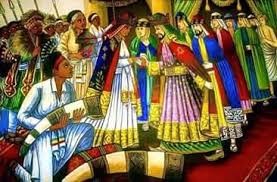 የሳባም ንግሥት የሰሎሞንን ዝና፣ የእግዚአብሔርንም ስም በሰማች ጊዜ በግመሎች ላይ ሽቱና ብዙ ወርቅ የከበረም ዕንቍ አስጭና ከታላቅ ጓዝ ጋር ሰሎሞንን በኢየሩሳሌም በእንቆቅልሽ ትፈትነው ዘንድ መጣች። ወደ ሰሎሞንም በገባች ጊዜ በልብዋ ያለውን ሁሉ ነገረችው። ሰሎሞንም የጠየቀችውን ሁሉ ፈታላት (መጽሐፈ ነገሥት ቀዳማዊ ፲፥፩-፲፫፤ መጽሐፈ ዜና መዋዕል ካልዕ ፱፥፩-፲፪)። ንግስተ ሳባ ከሰሎሞን ምኒልክ የሚባል ልጅ ወደ ኢትዮጵያ ተመልሳ ወለደች፣ ልጁም አድጎ የአባቱን ሀገር ኢየሩሳሌምን ጎብኝቶ ሲመለስ የሙሴን ጽላትና ካህናተ ኦሪትን፣ እንዲሁም አያሌ የብሉይ መጻሕፍትን ከሊቆቻቸው ጋር ይዞ መጣ (አባ ጎርጎርዮስ ፲፱፻፺፱)። ንግስተ ሳባ በኢትዮጵያ የነገሰችው ከክርቶስ ልደት በፊት እ.አ.አ. ከ፲፻፲፫ እስከ ፱፻፹፪ ዓ.ዓ. ነበር። እግዚአብሔር ለሙሴ የሰጠው ጽላት ዛሬ በርዕሰ አድባራት አክሱም ፅዮን ቤተ ክርስቲያን ይገኛል።
When the Queen of Sheba heard the fame of Solomon and the name of God, she loaded camels with perfumes, gold, and precious stones, and came with a large entourage to test Solomon with riddles in Jerusalem. And when she went in unto Solomon, she told him all that was in her heart. Solomon granted her everything she asked for (1 Kings 1:1-13; Chronicles 9:1-12).
Queen Sheba gave birth to a son named Menelik from Solomon back in Ethiopia, and when the boy grew up and returned from visiting his father's country of Jerusalem, he brought back the tablets of Moses and the Ark of the Covenant, as well many the books of the Torah, along with their scholars (Abba Gregory 1999 EC).
Queen Saba reigned in Ethiopia before Christ's birth, from 1113 to 992 B.C. EC. The holy tablets that God gave to Moses, along with the Ark of the Covenant today reside in the great Axum Zion Church.
የኢትዮጵያ ንጉሥ ባዜን ጌታችን ኢየሱስ ክርስቶስ በቤተልሔም ሲወለድ ወርቅ ዕጣን ከርቤ ከገበሩለት ሦስት ነገሥታት አንዱ ስለመሆኑ
King Bazen of Ethiopia was one of the three Wise Men who traveled to Bethlehem and offered gold, incense, and myrrh to our new-born Lord Jesus Christ
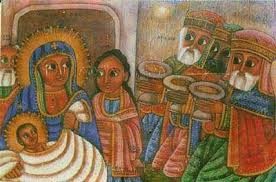 ነቢዩ ዳዊት “ኢትዮጵያውያን በፊቱ ይሰግዳሉ፤ ጠላቶቹም ዐመድ ይቅማሉ፤ የጠርሲስና የደሴቶች ነገሥታት ስጦታ ያመጣሉ፤ የሳባና የዐረብ ነገሥታትም እጅ መንሻ ያቀርባሉ፤ ነገሥታት ሁሉ ይሰግዱለታል” ብሎ (መዝ. ፸፩፥ ፱-፲) በተናገረው ትንቢት መሠረት ሄሮድስ በነገሠበት ዘመን የይሁዳ ክፍል በምትሆን በቤተልሔም ጌታችን ኢየሱስ ክርስቶስ በተወለደ ጊዜ ጥበበኞች ሰዎች ከምሥራቅ መጡ፤ ወደ ቤት ገብተው ሕጻኑን ከእናቱ ጋር አይተው ከፈረስ ሠረገላ ወርደው ሰገዱለት፤ ሳጥናቸውን ከፍተው ኮረጁዋቸውን ፈትተው ወርቁን ዕጣኑንና ከርቤውን ግብር አገቡለት” ብሎ ወንጌላዊው ቅዱስ ማቴዎስ (ማቴ.፪፥፩-፲፩) እንደጻፈው ጌታችን ኢየሱስ ክርስቶስ በቤተልሔም ተወልዶ ሳለ ወርቅ ዕጣን ከርቤ ከገበሩለት ሦስት ነገሥታት አንዱ የኢትዮጵያ ንጉሥ ባዜን እንደነበረ ይተረካል፡፡
King David prophesized, "Ethiopians prostrate before him; And his enemies will turn to ashes. The kings of Tarsus and the islands bring gifts; The kings of Saba and Arabs also offer incense. All kings will bow down to him" (Ps. 1:9-10) According to the prophecy, when our Lord Jesus Christ was born in Bethlehem, a part of Judea during the reign of Herod, three Wise Men came from the East; They entered the house and saw the child with his mother, got down from the horse carriage and worshiped him. They opened their chests, untied them, and gave him gold, frankincense, and myrrh. According to the evangelist Saint Matthew (Matthew 2:1-11), it is narrated that when our Lord Jesus Christ was born in Bethlehem, one of the three kings who gave him gold, incense, and myrrh was King Bazen of Ethiopia.
ነቢዩ ኢሳይያስ “የግመሎች ብዛት፣ የምድያምና የጌፌር ግመሎች ይሸፍኑሻል፤ ሁሉ ከሳባ ይመጣሉ፤ ወርቅንና ዕጣንን ያመጣሉ፤ የእግዚአብሔርንም ምስጋና ያወራሉ” (ኢሳ.፷፥፮) ብሎ በትንቢት እንደተናገረው የወርቅ እጅ መንሻ ያቀረበው ኢትዮጵያዊው ንጉሥ እንደነበር ይነገራል። ስለዚህ ኢትዮጵያ ክርስቶስን ያወቀችውና መባ በማቅረብ ልደቱን ያከበረችው ከተወለደበት ጊዜ ጀምሮ ስለሆነ የኢትዮጵያ ቤተ ክርስቲያን ቀዳማዊት ቤተ ክርስቲያን መባሉዋ ትክክል ነው።
The prophet Isaiah wrote, "The multitude of camels, the camels of Midian and Gepher, will cover you; They all come from Saba. They bring gold and incense. And they will talk about God's praise" (Isa. ፷:6) It is said that it was the Ethiopian king who offered the gold-handed torch. Therefore, since Ethiopia recognized Christ and celebrated his birth by offering offerings, it is right that the Ethiopian church is called the first church.
የኢትዮጵያ ንግሥት ህንደኬ አዛዥና ጃንደረባ ባኮስ የኢየሩሳሌም የአምልኮ ጉዞና ክርስትናን ወደ ኢትዮጵያ ስለማምጣቱ
How the Ethiopian Queen Hindeke’s (Candace) Commander and Eunuch Bachos Went on His Pilgrimage to Jerusalem and Brought Christianity to Ethiopia
በሐዋርያት ሥራ ምዕራፍ 8 እንደተጻፈው “የጌታም መልአክ ፊልጶስን ተነሥተህ በደቡብ በኩል ከኢየሩሳሌም ወደ ጋዛ ወደሚያወርደው ምድረ በዳ ወደሆነ መንገድ ሂድ” አለው፤ ተነሥቶም ሔደ፤ እነሆም “ህንደኬ” የተባለች የኢትዮጵያ ንግሥት አዛዥና ጃንደረባ የነበረ በገንዘቡዋም ሁሉ የሰለጠነ አንድ የኢትዮጵያ ሰው ሊሰግድ ወደ ኢየሩሳሌም መጥቶ ነበር፤ ሲመለስም በሠረገላ ተቀምጦ የነቢዩን የኢሳይያስን መጽሐፍ ያነብ ነበር፤ መንፈስም ፊልጶስን ወደዚህ ሠረገላ ቅረብና ተገናኝ አለው፤
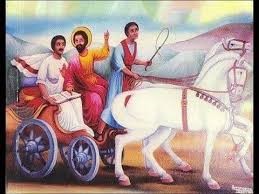 As it is written in Book of Acts Chapter 8, starting with verse 26, “Then an angel of the Lord said to Philip, “Get up and go toward the south to the road that goes down from Jerusalem to Gaza.” (This is a wilderness road.) So he got up and went. Now there was an Ethiopian eunuch, a court official of "Hindeke" (Candace), queen of the Ethiopians, in charge of her entire treasury. He had come to Jerusalem to worship and was returning home; seated in his chariot, he was reading the prophet Isaiah. Then the Spirit said to Philip, “Go over to this chariot and join it”
ፊልጶስም ሮጦ የነቢዩን የኢሳይያስን መጽሐፍ ሲያነብ ሰማና “በእውኑ የምታነበውን ታስተውለዋለህን?” አለው፤ እርሱም “የተረጐመልኝ ሳይኖር ይህ እንዴት ይቻለኛል?” አለው፤ ወጥቶም ከእርሱ ጋር ይቀመጥ ዘንድ ፊልጶስን ለመነው፤ ያነብበውም የነበረ የመጽሐፉ ክፍል ይህ ነበረ፥ እንደ በግ ወደመታረድ ተነዳ፣ የበግ ጠቦትም በሸላቹ ፊት ዝም እንደሚል እንዲሁ አፉን አልከፈተም፤ በውርደቱ ፍርዱ ተወገደ፤ ሕይወቱ ከምድር ተወግዳለችና ትውልዱንስ ማን ይናገራል”
So Philip ran up to it and heard him reading the prophet Isaiah. He asked, “Do you understand what you are reading?” He replied, “How can I, unless someone guides me?” And he invited Philip to get in and sit beside him. Now the passage of the scripture that he was reading was this: “Like a sheep he was led to the slaughter, and like a lamb silent before its shearer, so he does not open his mouth. In his humiliation justice was denied him. Who can describe his generation? For his life is taken away from the earth.”
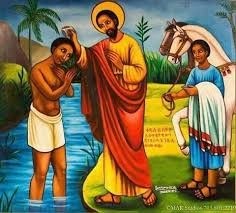 ጃንደረባውም ለፊልጶስ መልሶ እባክህ ነቢዩ ይህን ስለማን ይናገራል ስለ ራሱ ነውን ወይስ ስለሌላ አለው፤ ፊልጶስም መናገር ጀመረ፤ ከዚህም መጽሐፍ ጀምሮ ስለ ኢየሱስ ወንጌልን ሰበከለት፡፡ በመንገድም ሲሔዱ ወደ ውኃ ደረሱ፤ ጃንደረባውም እነሆ ውሀ እንዳልጠመቅ የሚከለክለኝ ምንድነው?” አለው፡፡ ፊልጶስም “በፍጹም ልብህ ብታምን ተፈቅዶአል” አለው፤ መልሶም “ኢየሱስ ክርስቶስ የእግዚአብሔር ልጅ እንደሆነ አምናለሁ” አለ፡፡ ሰረገላውም ይቆም ዘንድ አዘዘ፤ ፊልጶስና ጃንደረባው ሁለቱም ወደ ውሀ ወረዱ፤ አጠመቀውም፤ ከውሀውም ከወጡ በኋላ የጌታ መንፈስ ፊልጶስን ነጠቀው ጃንደረባውም ሁለተኛ አላየውም፤ ደስ ብሎት መንገዱን ይሄድ ነበርና” (የሐዋ. ሥ. ፰፡፳፮-፴፱)
The eunuch asked Philip, “About whom, may I ask you, does the prophet say this, about himself or about someone else?” Then Philip began to speak, and starting with this scripture, he proclaimed to him the good news about Jesus. As they were going along the road, they came to some water; and the eunuch said, “Look, here is water! What is to prevent me from being baptized?” He commanded the chariot to stop, and both of them, Philip and the eunuch, went down into the water, and Philip baptized him. When they came up out of the water, the Spirit of the Lord snatched Philip away; the eunuch saw him no more, and went on his way rejoicing.
እንዲህ በማለት ወንጌላዊው ሉቃስ እንደተረከው የክርስትና እምነትና ጥምቀት ወደ ኢትዮጵያ የገባው በ፴፬ ዓ.ም. በኢትዮጵያ ንግሥት በሕንደኬ ጃንደረባ በባኮስ አማካይነት ነው፡፡ ያጠመቀውም በመንፈስ ቅዱስ መሪነት ወንጌላዊው ፊልጶስ ነው፤ “ኢየሱስ ክርስቶስ የእግዚአብሔር ልጅ መሆኑን አምናለሁ" የሚለውን የእምነት ቀመር በመናገር የጀመረና ለዓለም ያበረከተ ኢትዮጵያዊው ባኮስ ነው፡፡
According to the evangelist Luke, the Christian faith and baptism entered Ethiopia in 34 AD. In Ethiopia, the queen is through Hindeke's eunuch Bakos. Philip the Evangelist baptized him under the guidance of the Holy Spirit. It was Bacchus, the Ethiopian who initiated the Christian declaration of faith, "I believe that Jesus Christ is the Son of God" and contributed to the world.
ባኮስ ኢየሱስ ክርስቶስ የእግዚአብሔር ልጅ መሆኑን አውቆና አምኖ በማሳመን ለወገኖቹ ትክክለኛውን እምነት ስለ ሰበከ የኢትዮጵያ ቤተ ክርስቲያን እስከዛሬ ድረስ ኢየሱስ ክርስቶስ የእግዚአብሔር ልጅ መሆኑን ታምናለች፣ ትሰብካለች፤ ታሳምናለች፡፡ በዘመነ ሐዋርያት የክርስትና እምነትን በመቀበል የመጀመሪያው የወንጌል አዝመራ የሆነው ባኮስ ለኢትዮጵያ ቤተ ክርስቲያን የእምነትና ሥርዐተ አምልኮ ሕንፃ የመሠረት ድንጋይ ነው፡፡
Bachos knew and believed that Jesus Christ is the Son of God and preached the true faith to his people. The Ethiopian Church still believes, preaches and confesses that Jesus Christ is the Son of God. Bachos, who was the first Ethiopian to hear the Gospel and to accept Christianity during the time of the apostles, is the cornerstone of the faith and liturgical building of the Ethiopian Church.
 ለሐዲስ ኪዳን ኢትዮጵያም ዓለም ዐቀፍ እውቅና ያገኘ የቤተ ክርስቲያናችን መሥራች ነው፡፡ ባኮስ በዚህ ሃይማኖታዊ ጒዞው የሕገ ኦሪትንና የሕገ ወንጌልን ጽድቅ በአንድ ጒዞ በመፈጸም የራሱንና የአገሩን ስም በቅዱስ መጽሐፍ ለማስጠራት በቅቷል፡፡ ባኮስ ወደ አገሩ ተመልሶ ከቅዱስ ፊልጶስ ስለ ክርስቶስ የሰማውንና የተረዳውን ለወገኖቹ ኢትዮጵያውያን እንደ አስተማረ የጥንት ቤተ ክርስቲያን ታሪክ ጸሓፊ አውሳብዮስ ዘቂሣርያ ጽፎአል፡፡ የኢትዮጵያ ቤተ ክርስቲያን የተመሠረተችውም ከዚህ ጊዜ ጀምሮ ነው፡፡
He is the founder of our church, which has received international recognition for the New Testament in Ethiopia. In this religious journey, Bachos accomplished the righteousness of the Torah and the Gospel in one journey, and went on to enshrine the name of himself and his country in the Holy Scriptures. Bachos returned to his country and taught his fellow Ethiopians what he had heard and understood about Christ from St. Philip, according to the historian of the ancient church, Eusebius of Caesaria. The Ethiopian church was founded from this time.
ቤተ ክርስቲያናችን ቅዱስ ፊልጶስ የክርስትና አባቷ ስለሆነ በስሙ ቤተ ክርስቲያን አንፃ ጽላት ቀርፃ ታከብረዋለች፡፡ በጸሎቱና በአማላጅነቱም ትታመናለች፤ ከቅዱሳን ሐዋርያት መካከል ቅዱስ ማቴዎስ፣ ቅዱስ ናትናኤል፣ ቅዱስ በርተሎሜዎስ፣ ቅዱስ ቶማስ በኑብያና በኢትዮጵያ አውራጃዎች እየተዘዋወሩ ወንጌልን እንደ ሰበኩ የቤተ ክርስቲያን ታሪክ ጸሐፊዎች እነሩፊኖስና እነ ሶቅራጥስ መስክረዋል፡፡
Our church honors St. Philip with a plaque in his name. She trusts in his prayers and intercession. Among the holy apostles, Saint Matthew, Saint Nathaniel, Saint Bartholomew, and Saint Thomas preached the Gospel while traveling in Nubian and Ethiopian provinces.
በኢትዮጵያ የክርስትና እምነት መስፋፋት
The Spread of Christianity in Ethiopia
በኢትዮጵያ የክርስትና እምነት እንዲስፋፋ ጉልህ አስተዋጽዖ ካበረከቱ ቅዱሳን መካከል ቅዱስ ፍሬምናጦስ አባ ሰላማ፣ ቅዱስ ያሬድ፣ ቅዱስ ላልይበላ፣ ተሰዓቱ ቅዱሳን እና አቡነ ተክለ ኃይማኖትን በዚህ እትም በአጭሩ እናስተዋውቃለን።
Among the saints who contributed significantly to the spread of Christianity in Ethiopia, we will briefly introduce Saint Frumentius (Abba Selama), Saint Jared (Yared), Saint Lalibela, The Nine Saints and Abune Tekle Haimainot in this issue.
ቅዱስ ፍሬምናጦስ (አባ ሰላማ)
Saint Frumentius (Abba Selama)
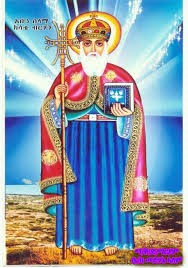 በ4ኛው መቶ ክፍለ ዘመን "ቅዱስና ያለ ተንኰል የሚኖር ነውርም የሌለበት ከኀጢአተኞችም የተለየ ከሰማያትም ከፍ ያለ እንደዚህ ያለ ሊቀ ካህናት ይገባናል" (ዕብ.፯፣፳፮) ብሎ ሐዋርያው ቅዱስ ጳውሎስ ስለ ክርስቶስ ሊቀ ካህናትነት እንደተናገረው ሊቀ ካህናት ኢየሱስ ክርስቶስ ከሾማቸው ከሐዋርያት ሐረገ ክህነት ተያይዞ የመጣ የሐዋርያት ተከታይ የሆነ ሊቀ ካህናት ማግኘት ይገባኛል ብላ የኢትዮጵያ ቤተ ክርስቲያን ጳጳስ እንዲያስመጣላት ቅዱስ ፍሬምናጦስ አባ ሰላማን ወደ እስክንድርያ ላከች፡፡ ቅዱስ አትናቴዎስ የእስክንድርያ ፓትርያርክም ራሱኑ ሾሞ ላከው፡፡ ኢትዮጵያ ክርስትናን የተቀበለችው በመጀመሪያው ምዕት ዓመት ይሁን እንጂ በሲኖዶስ ሕግ የኤጲስ ቆጶስ መንበር የተሰጣት በአራተኛው ምዕት ዓመት በ፫፻፴ ዓ.ም. ነው፡፡ ከኢትዮጵያ ተልኮ ሔዶ ከእስክንድርያው ፓትርያርክ ከቅዱስ አትናቴዎስ ዘንድ ኤጲስ ቆጶስ ሆኖ ተሾሞ በመጣው በአባ ሰላማ ከሣቴ ብርሃን መምህርነት በአብርሃና በአጽብሐ ዘመነ መንግሥት ጊዜ የክርስትና ሃይማኖት በዐዋጅ ተሰብኳል፡፡
In the 4th century, "We deserve such a high priest, who is holy and without guile, blameless, separate from sinners, and high above the heavens" (Hebrews 7, 26), as the apostle St. Paul said about Christ's high priesthood. Saying that she deserves to have a high priest, the Ethiopian Church sent Saint Frumentius (Abba Salama) to Alexandria to bring her a bishop. Saint Athanasius, Patriarch of Alexandria, himself appointed him and sent him. Ethiopia accepted Christianity in the first century, but the Bishop's chair was given to it by the law of the Synod in the fourth century in 330 AD. is it. During the reign of Abrahana Atsaba, the Christian religion was proclaimed by the decree of Abba Selama Kesate Berhan, who was sent from Ethiopia and was appointed as a bishop by the Patriarch of Alexandria, St. Athanasius.
ቅዱስ አባ ሰላማ ከዚያ ጊዜ ጀምሮ መንበረ ጵጵስናውን አክሱም ላይ አድርጎ በሀገራችን የወንጌልን ብርሃን በሰፊው ስለገለጠ ከሣቴ ብርሃን ተባለ፡፡ በዚሁ በ4ኛው መቶ ክፍለ ዘመን የኢትዮጵያ ቤተ ክርስቲያን በዓለም ዐቀፍ ደረጃ የታወቀች ብሔራዊት ቤተ ክርስቲያን ለመሆን መብቃቷን ታሪክ ያስረዳል፡፡
Since then, Saint Father Salama has held his pulpit at Axum and spread the light of the gospel widely in our country, so it was called Kesate Berhan. At the same time, in the 4th century, the story explains that the Ethiopian church was able to become a globally recognized national church.
የኢትዮጵያ ቤተ ክርስቲያን ከጥንታዊት የእስክንድርያ ቤተ ክርስቲያን ጋር የሥርዐተ እምነት አንድነትና የእህትማማችነት ህብረት ስለነበራት ግብፃውያን ጳጳሳት ሥልጣነ ክህነት በመስጠት ብቻ ተወስነው የቀረው የአስተዳደሩና የውስጥ አመራሩ ይዞታ ግን በኢትዮጵያውያን ሊቃውንት ይካሄድ ነበር፡፡ ስለዚህም ቤተ ክርስቲያናችን በሥርዐተ ቤተ ክርስቲያን ፣ በሥርዐተ ትምህርትና በባህል ራሱን የቻለ አቋም የነበራትና ያላት መሆኑ የታወቀ ነው፡፡
Since the Ethiopian Church had a unity of faith and brotherhood with the ancient Church of Alexandria, the Egyptian bishops were limited to giving the priesthood, but the rest of the administration and internal leadership was held by Ethiopian scholars. Therefore, it is known that our church had and still has an independent position in terms of church, doctrine and culture.
ቅዱስ ያሬድ
Saint Jared (Yared)
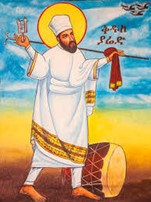 ቅዱስ ያሬድ ሚያዝያ ፭ ቀን ፭፻፶፭ ዓ.ም በአከሱም ከተማ ተወለደ፤ ዜማውንም ከ፭፻፵-፭፻፷ ዓ.ም አዘጋጀ፤ ግንቦት ፲፩ ቀን ፭፻፸፩ ዓ.ም በሰሜን ተራራዎች በጸለምት ዋሻ ውስጥ ተሠወረ፡፡ ቅዱስ ያሬድ የግእዝ፣ እዝልና አራራይ ዜማዎችን ከሦስት ወፎች /መላእክት በወፎች ተመስለው/ መማሩን ሊቃውንት ይገልጣሉ፡፡ እነዚህ መላእክት እየመሩት ወደ አርአያም አርጎ የ፳፬ቱን ካህናተ ሰማይ ዜማ ከተማረ በኋላ ጠዋት በ፫ ሰዓት በአክሱም ቤተ ክርስቲያን “ሃሌ ሉያ ለአብ ሃሌ ሉያ ለወልድ ሃሌ ሉያ ለመንፈስ ቅዱስ ቀዳሚሃ ለጽዮን ሣረረ ወበዳግመ አረአዮ ለሙሴ ዘከመ ይግበር ግብራ ለደብተራ” ብሎ አዜመ፡፡
Saint Yared was born on April 5, 555 AD in the city of Aksum. He composed the holy Chants during the period 544-566 AD. On May 11, 591 A.D., he lived the life of a monk in a cave in the northern mountains. Scholars document that Saint Yared learned Geez, Ezl and Ararai songs from three angels who appeared in the form of birds. These angels led him to Arayam Argo, after he learned the song of the 24 Priests of Heaven, at 3 o'clock in the morning, he sang "Hallelujah to the Father, Hallelujah to the Son, Hallelujah to the Holy Spirit, the first one to Zion, and the first one to Moses.
የቅዱስ ያሬድ የመጀመሪያ ዜማው “አርያም” በመባል ይታወቃል፡፡ ይህም ከመላእክት ወይም ከሰማይ የተገኘ መሆኑን ለማጠየቅ ነው፡፡ ቅዱስ ያሬድ ለኢትዮጵያ ቤተ ክርስቲያን ሰማያዊ ዜማን ከማበርከቱም ሌላ በትምህርት ሂደትም አስተዋጽዖ አድርጓል፤ የድጓን፣ የጾመ ድጓን የዝማሬ መዋሥዕትንና የቅዳሴን ትምህርት ከማስተማሩም በላይ ለቅኔ ትምህርትም መሠረት ጥሏል፡፡ ዜማውን ካዘጋጀ በኋላ ለ፲፩ ዓመታት እስከ አርባ ምንጭ ድረስ ዞሮ አስተምሯል፡፡
Saint Yared's first Chant is known as "Ariam". To ask if this is from the angels or from Heaven. Saint Yared contributed to the educational process in addition to contributing Heavenly music to the Ethiopian church. Dgwan, Tome Dgwan not only taught singing and liturgy, but also laid the foundation for poetry. After composing the Chant, he traveled and taught for 11 years up to the Arba Minch region.
ቅዱስ ላልይበላ
Saint Lalibela
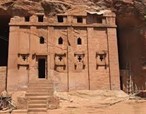
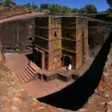
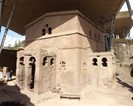
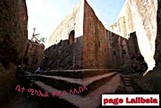
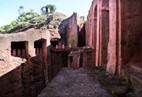
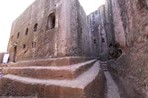
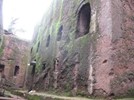
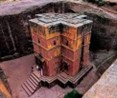
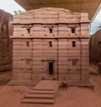
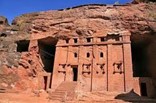
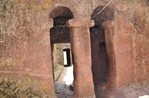
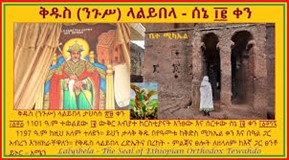 ቅዱስ ላልይበላ ታህሳስ ፳፱ ቀን ፲፻፹ ዓ.ም ተወለደ፤ ሰኔ ፲፪ ቀን ፲፪፻፯ ዓ.ም አረፈ። በተወለደ ጊዜ በንብ ስለ ተከበበ እናቱ ማር ይበላል ለማለት "ላል ይበላል" ብላዋለች። ቅዱስ ላልይበላ የብሉያትንና የሐዲሳትን ትምህርት ትርጓሜ የተማረና ጠንቅቆ የሚያውቅ ነው። ቅዱስ ላልይበላ የኢትዮጵያ ንጉሥ የነበረ ሲሆን፤ ስመ ንግስናውም አፄ ገብረ መስቀል ነበር። ብዙ አብያተ ክርስቲያናትን ያሰራ ሲሆን በከተማው በደብረ ሮሃ ዓለምን ያስደነቁና ከታች የተዘረዘሩትን ¬፲፩ አብያተ ክርስቲያናትን በመላዕክት አጋዥነት ከቋጥኝ ፈልፍሎ ሠርቷል።
Saint Lalibela was born in 1162 AD and died in 1221 AD. When he was born, he was surrounded by bees, so his mother called him "Lal Yibelal" to mean that he eats honey. Saint Lalibela was well-educated and was well-versed in the interpretation of the teachings of both the books of the Old and New Testaments. Saint Lalibela reigned as the king of Ethiopia and his royal name was Emperor Gebre Meskel. He built many churches and in the city of Debre Roha, he carved the 11 churches listed below out of rock with the help of angels.
|
፩. ቤተ አማኑኤል |
፪. ቤተ መድሃኔዓለም Bete Medane Alem |
፫. ቤተ ማርያም Bete Mariam |
፬. ቤተ ሚካኤል Bete Mikael |
 |
 |
 |
 |
| ፭. ቤተ ገብርኤል Bete Gabriel |
፮. ቤተ መስቀል Bete Meskel |
፯. ቤተ ጎልጎታ Bete Golgota |
፰. ቤተ ጊዮርጊስ |
 |
 |
 |
 |
|
፱. ቤተ መርቆሬዎስ |
፲. ቤተ ሊባኖስ |
፲፩. ቤተ ደናግል |
|
 |
 |
 |
|
ዘጠኙ ቅዱሳን
The Nine Saints
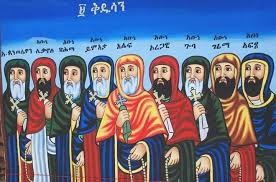 ዘጠኙ ቅዱሳን በኬልቄዶን ጉባኤ ምክንያት በተዋሕዶዎች ላይ በአውሮፓ፣ በእስያና በመካከለኛው ምሥራቅ በተነሣው ፈተና የተነሳ ከሮም፣ ከእስያ፣ ከአንጾኪያ፣ ከቁስጥንጥንያ፣ ከቂሳርያና ከኪልቂያ በስደት የመጡ ናቸው። ስማቸውም አባ አሌፍ፣ አባ አረጋዊ፣ አባ ጰንጠሌዎን፣ አባ ገሪማ፣ አባ ጵሕማ፣ አባ አፍጴ፣ አባ ሊቃኖስ፣ አባ ይምዓታ እና አባ ጉባ ይባላሉ። ዘጠኙ ቅዱሳን በኢትዮጵያ የክርስትና እምነት እንዲስፋፋ ከፍተኛ አስተዋጽዖ ያበረከቱ ሲሆን በተለይም ሥርዓተ ቤተ ክርስቲያንን አጽንተዋል፣ የተለያዩ መጽሐፍትን ተርጉመዋል፣ ስብከተ ወንጌልን አስፋፍተዋል፣ በርካታ ገዳማትን መስርተዋል፣ ሥርዓተ ምንኩስናን አደራጅተዋል።
The Nine Saints came from Rome, Asia, Antioch, Constantinople, Caesarea, and Cilicia as a result of the challenges raised by the Council of Chalcedon against pagans in Europe, Asia, and the Middle East. Their names are Aba Alef, Aba Argawi, Aba Pantelewon, Aba Gerima, Aba Phma, Aba Afpe, Aba Likanos, Aba Ymata and Aba Guba. The nine saints contributed greatly to the spread of Christianity in Ethiopia, especially they strengthened the church system, translated various books, spread the gospel, founded many monasteries, and organized the order of monks.
አቡነ ተክለኃይማኖት
Abune Tekle-Haimanot
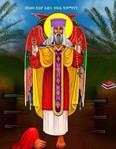 አቡነ ተክለኃይማኖት ታህሣሥ ፳፬ ቀን ፲፩፻፹፮ ዓ.ም በሰሜን ሸዋ ቡልጋ ጽላልሽ ተወልደው ነሐሴ ፳፬ ቀን ፲፪፻፹፮ ዓ.ም አርፈዋል። በተወለዱ በሦስት ቀናቸው ከእናታቸው እቅፍ ወርደው «አሐዱ አብ ቅዱስ፣አሐዱ ወልድ ቅዱስ፣ አሐዱ ውእቱ መንፈስ ቅዱስ» ብለው ሥላሴን አመስግነዋል። ኢትዮጵያን ዞረው ወንጌልን ከማስተማራቸውም በላይ ሕዝቡን ከባዕድ አምልኮ ወደ ክርስትና በመመለስ ይታወቃሉ። አቡነ ተክለኃይማኖት ክንፍ የተሰጣቸው ብቸኛው ጻድቅ ሲሆኑ በብርሃን ሠረገላ ይጓዙ እንደነበር ገድላቸው ይናገራል። የግብጽ ክርስቲያኖች ለጻድቁ አባታችን ልዩ ፍቅር ያላቸው ሲሆን በስማቸው አብያተ ክርስቲያኖች ተክለዋል።
Abune Teklahimanot was born on December 24, 1186 AD in North Showa Bulga Tsilalash and passed away on August 24, 1286 AD. On the third day of their birth, they came down from their mother's arms and praised the Trinity by saying, "One is the Holy Father, one is the Holy Son, one is the Holy Spirit." They toured Ethiopia and taught the gospel and are known for converting the people from foreign worship to Christianity. It is said that Abune Tekla Haimanot was the only righteous person who was given wings and used to travel in a light chariot. Egyptian Christians have a special love for our righteous father and they planted churches in his name.
ክርስቶስ የተሰቀለበት ግማደ መስቀል ወደ ኢትዮጵያ መምጣት
The Arrival of the True Cross to Ethiopia
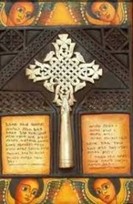 ጌታችን መድኃኒታችን ኢየሱስ ክርስቶስ በተሰቀለበት መስቀል ተአምራት ብዙዎች ከተለያየ ደዌ ተፈውሰዋል፡፡ይህም በጣም ብዙ ሰዎችን ክርስቶስን ወደ ማመን ስቧቸዋል፡፡ ይህን ድንቅ ስራ የተመለከቱ የክርስቶስ ጠላቶች መስቀሉ እውራንን በማብራት ደንቆሮዎች እንዲሰሙ በማስቻል ሽባ እየተረተረ ድንቅ ስራ መስራቱ ስላላስደሰታቸው መስቀሉን ከጎልጎታ አንስተው በግራና በቀኝ የተሰቀሉት ወንበዴዎች የተሰቀሉበትን መስቀል ለማሳሳት ጨምረው ቀብረውት ለ፫፻ ዓመታት ያህል የከተማው ጥራጊ ቆሻሻ እየተጣለበት የተቀበረበት ቦታ ተራራ እስኪሆን ድረስ ቆይቷል፡፡
Through the miracles of the cross where our Lord and Savior Jesus Christ was crucified, many were healed from various diseases, which brought many people to believe in Christ. The enemies of Christ, who saw this miracle, were not pleased with the fact that the cross was performing miracles such as healing the blind and the deaf, so they removed the cross from Golgotha and added it to the crosses on which the criminals to the left and right of Christ were hung.
ንግስት እሌኒ የመስቀሉ ፍቅር የነበራትና ለክርስትና ሃይማኖት የተገዛች ሃይማኖቷን ነች፡፡ ልጇ ንጉስ ቆስጠንጢኖስ በዘመነ መንግስቱ በትእምርተ መስቀል ብዙ ጠላቶቹን ድል በመምታቱ የጦሩ ልዩ ምልክት አድርጎት ቆይቷል፤ ለመስቀሉ ታላቅ አክብሮትና አድናቆት ነበረው፡፡ ንግስት እሌኒ የመስቀሉ ተቀብሮ መቅረት ሲያስጨንቃት ኑሯልና ሁኔታው ሲመቻች በ ፫፻፳፯ ዓ.ም. መስቀሉን ፈልጎ ለማግኘት ቆርጣ ተነሳች፡፡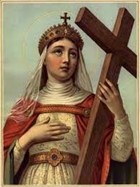
Queen Helena (Eleni) was a devout Christian and had abundant love for the Cross. During the reign of her son, King Constantine, he defeated many of his enemies with the crucifix and kept it as a special symbol of his army. He had great respect and admiration for the Cross. Queen Eleni always agonized over the fact that Christ’s Cross had been buried away for years. She therefore set out to locate the True Cross in 327 AD.
ነገር ግን ከዘመኑ ርቀት እንዲሁም ቦታው ሦስት ተራራዎች ያሉበትና በየትኛው ተራራ በእርግጠኝነት እንደተቀበረ የሚናገር ሰው ጠፋ፡፡ በመጨረሻ ግን የመስቀሉ መውጣት የእግዚአብሔር ፈቃዱ ነበረና ትክክለኛ ቦታውን ለማግኘት ባደረገችው ያላሰለሰ ጥረት አባ ኪርያኮስ በተባለ ታላቅ መንፈሳዊ አባት ቦታው ከሶስቱ ተራራዎች በአንዱ መሆኑ ተነገራት፡፡ በራእይም በተገለጸላት መሰረት ብዙ እንጨት አስደምራ ብዙ ዕጣን ጨምራ በእሳት በማያያዝ ሲቀጣጠል የእጣኑ ጢሰ ቅታሬ ወደ ሰማይ ቀና ብሎ ከወጣ በኋላ እንደ ቀስት ወደ መሬት ተመልሶ መስቀሉ የተቀበረበትን ቦታ አመልክቷል፡፡
But as she conducted her search, due to the passage of time and the difficult terrain of the region, including three mountains, Queen Eleni was unable to find a credible source to point her in the direction of where the Cross was buried. But eventually, through God's will for His Cross to be found, she found the great spiritual father, Abba Kyriakos, who informed her which one of the three mountains under which the Cross was buried. Then, according to written history, Queen Eleni, as it was revealed to her in a vision, to make a bonfire or Demera, and adding to it very fragrant incense called Sandrose. The smoke of the burning wood and the incense rose to heaven and miraculously bowed down pointing towards the hill where the Life-giving Cross had been buried. Being led by the miracle she observed from the smoke, the queen ordered her people to start digging the mountain on September 27 (Meskerem 17).
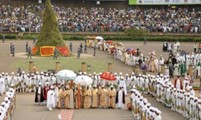 መጋቢት ፲ ቀን በተገኘ ጊዜ ታላቅ ደስታ ሆኗል፡፡እሌኒና ሠራዊቱ የመስቀሉን መገኘት በየሀገሩ ለመግለጽ ችቦ በማብራት ዜናውን አስተላልፈዋል፡፡ የሮም፣ የእስክንድርያ፣ የቁስጥንጥንያና የኤፌሶን ሊቃነ ጳጳሳት ቅዱስ መስቀሉን በየሀገረ ስብከታቸው ለራሳቸው፣ ለሕዝባቸውና ለሀገራቸው ኃይልና ጽንዕ በረከትና ረድኤት ሰላምና ፍቅር እንዲሰጣቸው ተካፍለው ወደየአህጉራቸው ሲወሰዱት ዋናውና መካከለኛው በኢየሩሳሌም እንደቀረ በአበው ይተረካል፡፡ የቀኝ ክንፉ የደረሰው ለአፍሪቃ ስለነበር ከታሪካዊ ንዋያተ ቅድሳት ጋር በግብጽ የሚገኘው የእስክንድርያ ፓትርያርክ ተረክቦ ወስዶ በክብር አስቀመጠው፡፡
There was great joy when the Cross was found on March 10th. Eleni and the army spread the good news by lighting torches (“Chibo”) to announce the presence of the cross in every country. It is narrated by the Archbishops of Rome, Alexandria, Constantinople and Ephesus shared the Holy Cross in their respective dioceses to give them strength, enduring blessings and peace and love. It is said that while they retained pieces of the Cross in their own regions, the main and middle part of the Cross was left in Jerusalem. Since its right wing reached Africa, the Patriarch of Alexandria in Egypt took it over and placed it with honor. The traditions of Demera and Chibo endure as part of the faith of the followers of the Ethiopian Orthodox Tewahedo Church to this day.
በግብጽ ያሉ እስላሞች እየበዙ ኃይላቸው ጠንክሮ በእስክንድርያ የሚኖሩትን ክርስቲያኖች ሥቃይ ያጸኑባቸው ጀመር። ክርስቲያኖቹም አንድ ሆነው መክረው ለኢትዮጵያዊ ዓፄ ዳዊት እንዲህ የሚል መልዕክት ላኩ “ንጉሥ ሆይ! በዚህ በግብጽ ያሉ እስላሞች መከራ አጽንተውብናልና ኃይልህን አንሥተህ አስታግሥልን ብለው ጠየቁት” ዳግማዊ ዓፄ ዳዊትም ለመንፈሳዊ ኃይማኖት ቀንተው የክርስቶስ ፍቅር አስገድዶአቸው ፳ ሽህ ሠራዊት አስከትለው ወደ ግብፅ ዘመቱ።
The Muslims in Egypt became more and more powerful and began to persecute Christians living in Alexandria. The Christians united together and sent a message to the Ethiopian Emperor Dawit (David) saying, "O King! The Muslims here in Egypt have put us through great hardship and oppression, please raise your mighty army and give us relief." Emperor Dawit II, led by his burning love for Christ and the Church, marched to Egypt, along with 20,000 fighters.
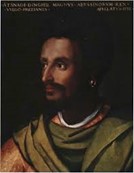 በዚህ ጊዜ በግብፅ ያሉ ኃያላን ፈሩ ተሸበሩ ንጉሡ ዐፄ ዳዊትም “በተፈጥሮ ወንድሞቻችሁ ከሆኑት ክርስቲያኖች ጋር ካልታረቃችሁ ሀገራችሁን መጥቼ አጠፋዋለሁ” የሚል ማስጠንቀቂያ ለእስላሞች ላኩ፡፡ የንጉሡ መልዕክት ለእስላሞቹ እንደደረሳቸው ፈርተው እንደጥንቱ በየሃይማኖታቸው ፀንተው በሰላም እንዲኖሩ ከክርስቲያን ወንድሞቻቸው ጋር ታረቁ፡፡ ዐፄ ዳዊት በዋሉላቸው ውለታ ግብፆች ተደስተው ብዙ ወቄት ወርቅ እጅ መንሻ ቢሰጡአቸውም ወርቁን መልሰው በመላክ እንዲህ የሚል ደብዳቤ ፃፉ “በግብፅ የምትኖሩ የክርስቶስ ተከታዮች ሆይ እንኳን ደስ አላችሁ የላካችሁልኝን ወርቅ መልሼ ልኬላችኋለሁ፤ የእኔ ዓላማ ወርቅ ፍለጋ አይደለም፤ የክርስቶስ ፍቅር አስገድዶኝ በተቻለኝ ችግራችሁን ሁሉ አስወገድኩላችሁ አሁንም የምለምናችሁ በሀገሬ በኢትዮጵያ ረሀብና ቸነፈር ድርቅ ስለወረደብኝ መድኃኒታችን ኢየሱስ ክርስቶስ ተሰቅሎበት የነበረውን መስቀልና የቅዱሳንን አፅም ከሌሎች ክቡራን ዕቃዎች ጋር እንድትልኩልኝ ነው የሚል ነበር፡፡
Upon hearing this, those in control of Egypt were terrified. And King Dawit sent a warning to the Muslims saying, "If you do not reconcile with the Christians who are your natural brothers, I will come and destroy your country." Upon receiving this warning, the Muslims reconciled with their Christian brothers so that they could live peacefully in their respective religions as before.
Grateful for the great favor that King Dawit had done for them, the Christians of Egypt sent him much gold as a show of their appreciation; however, King Dawit returned all of it, along with a message: "Congratulations, followers of Christ living in Egypt, I have sent you back the gold you sent me; My purpose is not to search for gold; The love of Christ forced me to address your problems as much as I could. Instead, as great famine and suffering has descended upon my country, I beseech you to send me the Cross on which our savior Jesus Christ was crucified and the remains of the saints, along with other holy items to help us battle against the challenges my country is facing.”
በእስክንድርያም ያሉ ምእመናን ይህ መልዕክት እንደደረሳቸው ከሊቃነ ጳጳሳቱና ከኤጲስ ቆጶሳቱ ጋር ውይይት በማድረግ ይህ ንጉሥ ታላቅ ክርስቲያን ነው፡፡ ስለዚህ ልቡን ደስ እንዲለው የፈለገውን የጌታችንን ግማደ መስቀል ከቅዱሳን አጽምና ንዋየ ቅድሳት ጋር አሁን በመለሰው ወርቅ ሣጥን አዘጋጅተን እንላክለት ብለው ተስማምተው በክብር በሠረገላና በግመል አስጭነው ድንበር ድረስ አምጥተው አስረከቧቸው።
As soon as the believers in Alexandria received this message, they discussed with the Archbishops the request of this great Christian king. They concluded that they would consent to the king’s request and fulfill his heart’s wishes and sent him the piece of the Cross under their care, along with the remains of the saints in the same containers in which he returned the gold that they had sent him on a long procession of decorated chariots and camels.
ዐፄ ዳዊትም ክቡር መስቀሉን እንደተቀበሉ “አንብር መስቀልየ በዲበ መስቀል” (መስቀሌን በመስቀል ላይ አስቀምጥ) የሚል ራእይ ታያቸው፡፡ ንጉሡም ይህንን ትዕዛዝ በልባቸው ይዘው መስቀሉን ለአገራቸው ኢትዮጵያ በረከት እንዲሆንላቸው በደስታ ላይ እንዳሉ በጠረፍ አካባቢ እስከዛሬ ድረስ የዳዊት ተራራ እየተባለ በሚጠራው ቦታ ላይ በድንገት ዐረፋ፡፡
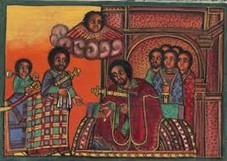 በኋላ ግን ግማደ መስቀሉ ከክብር አጽማቸው ጋር በልጃቸው በዐፄ ይስሐቅ አማካኝነት መጥቷል። ዐፄ ይስሐቅም ከፍፃሜ ሳያደርሱት በሞት ስለተለዩ ወንድማቸው ዐፄ ዘርዓ ያዕቆብ የአባታቸውን በትረ መንግሥት እንደጨበጡ በአደራ የቆየውን መስቀል ተረከቡ፡፡ “አንብር መስቀልየ በዲበ መስቀል” (መስቀሌን በመስቀል ላይ አስቀምጥ) የሚል ትእዛዛዊ ራእይ እንደ አባታቸው ስለታያቸው እንደሰንሰለት በተያያዙ በኢትዮጵያ ተራሮች ላይ በግሸን ደብረ ከርቤ ማርያም አምባ ክቡር መሰቀሉን አኑረዋል፡፡
Emperor Dawit received the procession and the noble Cross at the border, as agreed. Upon receiving the Cross, in a vision he heard the message, "Put my cross on the cross." The king took this command in his heart and was full of joy that the Cross would be a blessing for his country Ethiopia; however, before he was able to bring it back to his people, King Dawit suddenly passed away near the border, at a place that to this day is called Mount Dawit.
Subsequently, Emperor Dawit’s son, Emperor Yishaq (Isaac), began the journey of transporting the Cross, along with the remains of his honored father, Emperor Dawit back home to Ethiopia; however, Emperor Yishaq also passed away before he could reach the destination, so his brother, Emperor Zara Yaqob took over the Cross that was entrusted to him as he took hold of his father's scepter. He too received the message "Put my cross on the cross" through a vision, just like his father had. Therefore, he placed the glorious Cross at Geshen Debre Kerbe Mariam Amba on the mountains of Ethiopia that are connected like a chain.
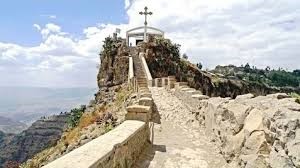
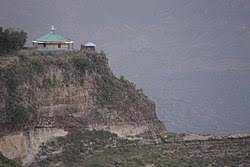
በዚያም የእግዚአብሔር አብ እና የእመቤታችን ቅድስት ድንግል ማርያምን አብያተ ክርስቲያናት አሳንፀው በእግዚአብሔር አብ ቤተክርስቲያን መሠረት ውስጥ በተዘጋጀ ልዩ ቦታ መስቀሉን አስቀምጠው ቅዳሴ ቤቱን ነሐሴ ፲፫ ቀን የመስቀሉን ክብረ በዓል ደግሞ መስከረም ፳፩ ቀን፣ ፲፬፻፵፮ ዓ.ም. በድምቀት እንዲከበር ሲያደርጉ፣ የእመቤታችን ቅድስት ድንግል ማርያም ቤተ ክርስቲያን ቅዳሴ ቤት ጥር ፳፩ ቀን ፲፱፻፵፱ ዓ.ም. ተከበረ፡፡ ከዚያን ጊዜ ጀምሮ አሁን እስካለንበት ዘመን ድረስ የመስቀሉና የእመቤታችን ቅድስት ድንግል ማርያም በዓል በየዓመቱ መስከረም ፳፩ ቀንና ጥር ፳፩ ቀን ብዙ ሺህ በሚቆጠሩ ምእመናን በሚገኙበት በደማቅ ሁኔታ ይከበራል፡፡
There, the Father of God and the Holy Virgin Mary consecrated the churches and placed the Cross in a special place in the foundation of the Church of God the Father. The Ethiopian Orthodox Tewahedo Church celebrates each year the discovery of the True Cross on September 27th and the lodging of the piece of the True Cross at Gishen Debre Kerbe on October 1. The EOTC solemnizes the festival of the Holy Cross commemorating its historical background and holds it as her power and seal of salvation. with many thousands of devotees.
ስብሐት ለእግዚአብሔር ወለወላዲቱ ድንግል ወለመስቀሉ ክቡር።
Good praise to God; His Mother, the Blessed Virgin, to the Cross.